


Truck Suspension

Standard vehicles are engineered with relatively predictable weight distribution—the engine, passengers, and cargo sit within designed parameters. Motorhomes and camper trailers, however, carry living quarters, water tanks, fuel, bedding, and personal belongings that shift as occupants move around, cook, and sleep. This variable load places inconsistent stress on suspension components, particularly the rear axle, which often bears 60-70% of the vehicle's weight.
The problem intensifies when you consider that motorhome suspension must accommodate both the vehicle's tare weight and its maximum loaded weight, sometimes spanning a 30-50% difference. Traditional car suspension components aren't designed for this range of stress, which is why motorhomes typically use heavy-duty springs, reinforced shocks, and specialised leaf springs or coil arrangements. Without proper load distribution, you'll experience excessive wear on shock absorbers, premature spring fatigue, and uneven tyre wear that can leave you stranded on a remote Victorian backroad.
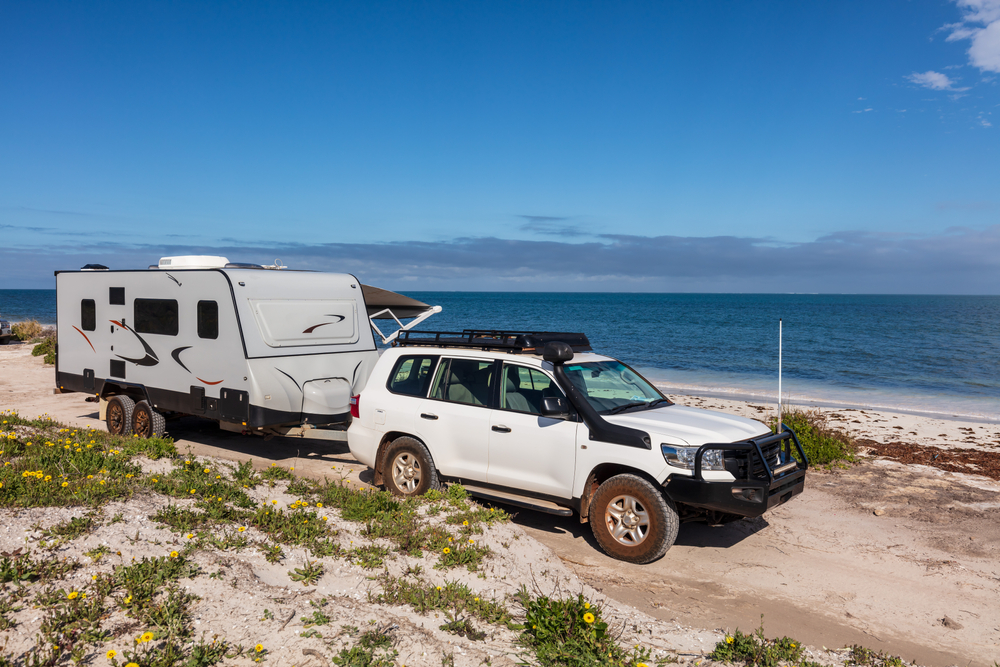
Motorhome manufacturers install stiffer suspension systems than standard production vehicles because the constant weight stresses suspension geometry differently. While a sedan's suspension optimises for comfort and handling, motorhome suspension prioritises load capacity and stability. This means firmer springs, heavier-duty shock absorbers, and often dual-wheel setups on the rear axle to distribute weight more effectively across multiple contact points.
The terrain you'll encounter touring through regional Victoria—from sealed highways to gravel tracks near Boronia, Ferntree Gully, and Lysterfield—demands suspension that can handle variable surfaces without bottoming out or losing control. Poorly maintained motorhome suspension doesn't just reduce comfort; it compromises safety by affecting braking response, cornering stability, and traction on unsealed roads. Specialised suspension systems are engineered to maintain ride height and control regardless of load, preventing the dangerous sag that occurs when a standard suspension system is overloaded.
Before embarking on an extended tour through the Dandenong ranges and beyond, inspect your motorhome suspension thoroughly. Check all shock absorber mountings for cracks, corrosion, or loose bolts—these components take tremendous punishment on rural roads. Press down on each corner of your motorhome; the vehicle should bounce once or twice and settle, not oscillate repeatedly or drop unevenly. Uneven settling indicates worn shocks that need replacement before a long journey.
Examine leaf springs for cracks, broken leaves, or sagging. If you notice your motorhome sits lower on one side than the other, or if the rear dips significantly under load, suspension components have likely deteriorated. Check tyre pressures and condition—worn suspension causes uneven tyre wear, and overloaded, incorrectly pressured tyres are a common cause of blowouts far from help. Inspect all suspension bushes, links, and anti-roll bar connections for wear and damage. Finally, have your wheel alignment checked; motorhome suspension changes can throw alignment out, causing pulling, vibration, and accelerated tyre wear that becomes critical when you're hundreds of kilometres from the nearest service centre in Knoxfield or Bayswater.
Regular motorhome suspension servicing differs from standard vehicle maintenance. Because loads and usage patterns vary so dramatically, suspension components should be inspected every 10,000-15,000 kilometres or before any extended touring trip, rather than waiting for the standard 20,000-kilometre intervals recommended for cars. Shock absorbers typically last 40,000-60,000 kilometres on a motorhome compared to 80,000+ kilometres on a standard vehicle due to constant heavy-load stress.
Lubrication is critical—motorhome suspension joints and pivots require regular greasing to prevent corrosion and binding, particularly in the humid, salt-laden air of Australian bushland and regional areas. Have a professional suspension specialist in Belgrave, Vermont, or Lysterfield conduct a thorough inspection, checking for leaking shock absorbers, cracked welds, corroded components, and worn bushings. Addressing minor suspension issues before a touring trip costs far less than emergency repairs in a remote location, and it's essential for maintaining safety and vehicle control on unpredictable rural roads where breakdowns can leave you stranded for hours.



Designed & Developed by CJ Digital